A brand compares two cotton options
Cost, supplier evidence, performance and availability are assessed before the BOM is approved.
Decision recorded Labl Fashion
We focus first on materials, durability, safe work, careful claims and measurable operating improvements.
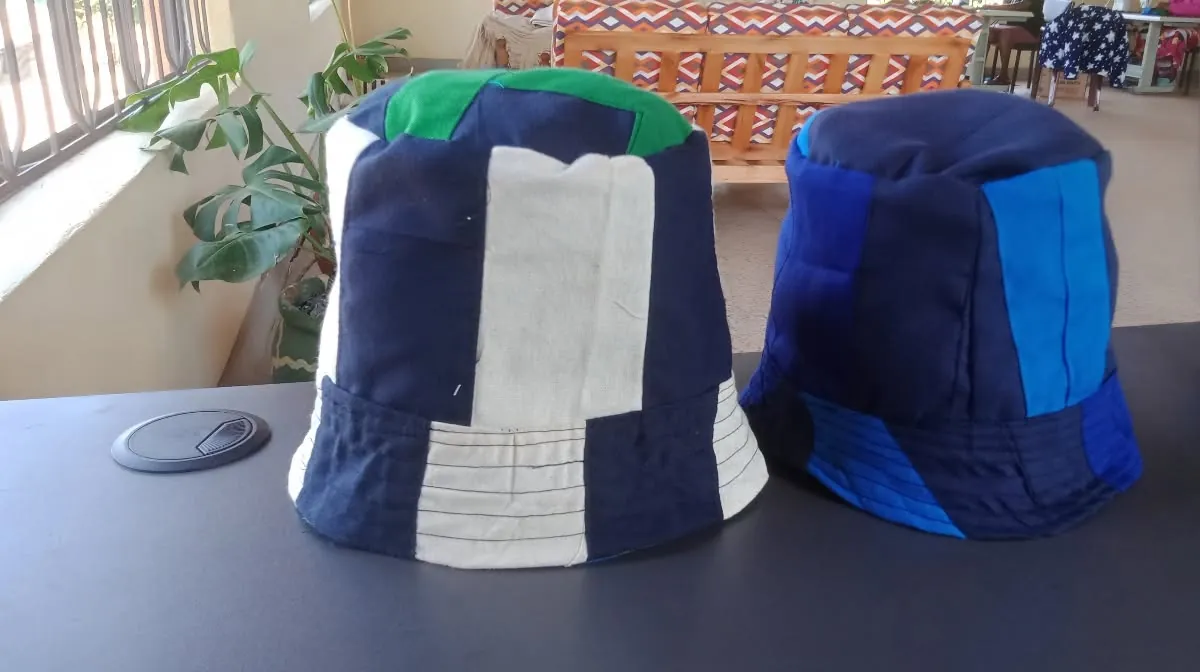
Map the material, supplier, chemistry and labour question.
Define approved inputs, process limits and record owners.
Check colour, wash, durability, fit or repair performance.
Retain lots, results, decisions and the scope of each claim.
Feed use and failure data into the next design or batch.
Plant and bio-based colour work begins with controlled trials: local feedstock mapping, safe preparation, recipe recording, mordant review, water and residue considerations, colourfastness testing and honest communication of limitations.
Cost, supplier evidence, performance and availability are assessed before the BOM is approved.
Decision recordedRecipes, safety, fastness and residue considerations are tested on small samples.
Limits publishedRepair points, spare components and a controlled return pilot are designed into the programme.
Useful life extended